
Summary
A calming and poignant documentary that in itself is a humorous, vulnerable, and ultimately therapeutic experience.
Phil Stutz is one of the world’s leading psychiatrists, having helped countless people over the last 40 years, including business leaders, creatives, and I’m sure some skeptics.
Directed by and starring famous actor Jonah Hill, we follow him and his therapist, Stutz, as they openly discuss issues surrounding mental health, death, anxiety attacks relating to his acting career, and how the dream job turned into a nightmare.
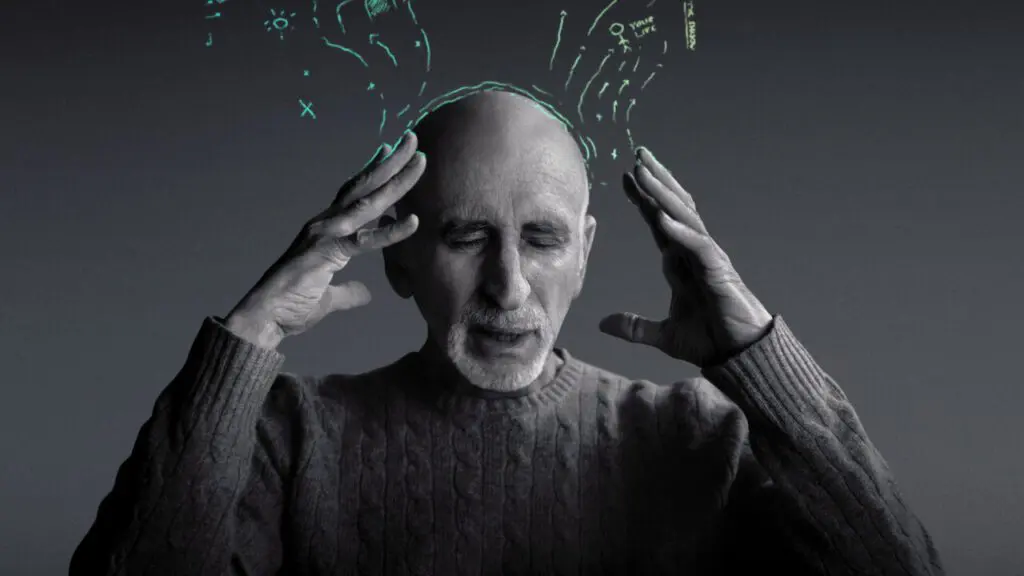
The film explores Stutz’s life and walks the viewer through his signature visualization exercises, “The Tools”.
Audiences are privy to candid discussions of both Stutz’s and Hill’s mental health, their journeys, their experiences, and their tools to get them through this life. Jonah’s hope is that this documentary will give people easy access to these tools and use them in their everyday lives.
The film opens with a big, warm smile from Jonah Hill, and his therapist saying, “entertain me” — opening with soft but funny jokes instantly makes this a comfortable setting.
The documentary film is shot in black and white, which is such an interesting and important choice as it changes a film thematically. It can make the film feel simultaneously real and not real as it gives the sense of a dream-like state.
The non-colors of black and white have previously been associated with life and death rituals, so here it’s mirroring the fact that we’re learning about tools that can have an impact on our lives and that we should make a habit or ritual.
Black and white are also naturally emotive; they provoke a sense of timelessness and nostalgia. Without realizing this, as a viewer, when watching something in black and white, we focus on the image and words, rather than being distracted by colors. I think this choice is very clever and had a big impact on how I watched the film.
It’s beautifully shot with a mixture of intense close-ups and medium-wide shots, which allows us to see their emotional and physical reactions in these conversations. There are shots of them sitting side by side like equals, like friends, and it creates a warmth, not awkwardness.
Stutz is wholly honest and strong in his position. Not only does he listen, but he is also confident in The Tools. He has kindness and an openness here that breaks down the serious, intense stereotype of what therapy and a therapist can be. The vulnerability he displays by opening up about his love life and his Parkinson’s disease shows how he isn’t just a therapist, he’s a person with real-life problems and real flaws.
The two have great chemistry, built by friendship and respect, and a strong sense of trust, enough to warrant this documentary. As two men from different generations and backgrounds, they’re able to share lighthearted banter with mutual respect. This unorthodox session flips their typical doctor-patient dynamic, and they bring The Tools to life.
These tools are brought to life in small animations, showing how they can be used. They can help you in the moment, but also help you in your philosophy of life.
One thing I really take away from this documentary is to enjoy the process. Put in the effort and enjoy what you’re doing. We’re complex human beings with complex needs and wants, and that’s okay. We’re all the same – no one is exempt from pain or problems. We just need to accept it, and our happiness depends on how we accept it.
I’m glad that Hill was able to share this experience and journey. Stutz is a powerful person and character.
With a heartfelt ending that brought a tear to my eye, I hope this film will encourage others to feel comfortable enough to utilize these tools, both for those actively seeking help and those not actively seeking help.