
Summary
Korea No. 1 has a fairly typical variety show format, but it’s elevated by a compelling trio of hosts and an earnest appreciation for Korean culture.
If Netflix hasn’t been totally responsible for an increased amount of global attention in the direction of Korea, it has certainly played a part. The streaming giant is by far the most reliable source of diverse and high-quality K-dramas in the West, with shows airing both weekly and all at once. Squid Game might be the one everyone knows, but there are many, many more besides.
But narrative drama isn’t the only facet of Korean popular culture, which is where Korea No. 1 comes in. This eight-episode variety show combines the entertainment of reality television with a sincere appreciation for Korean tradition, culture, and history. It’s an entertaining and surprisingly informative blend.
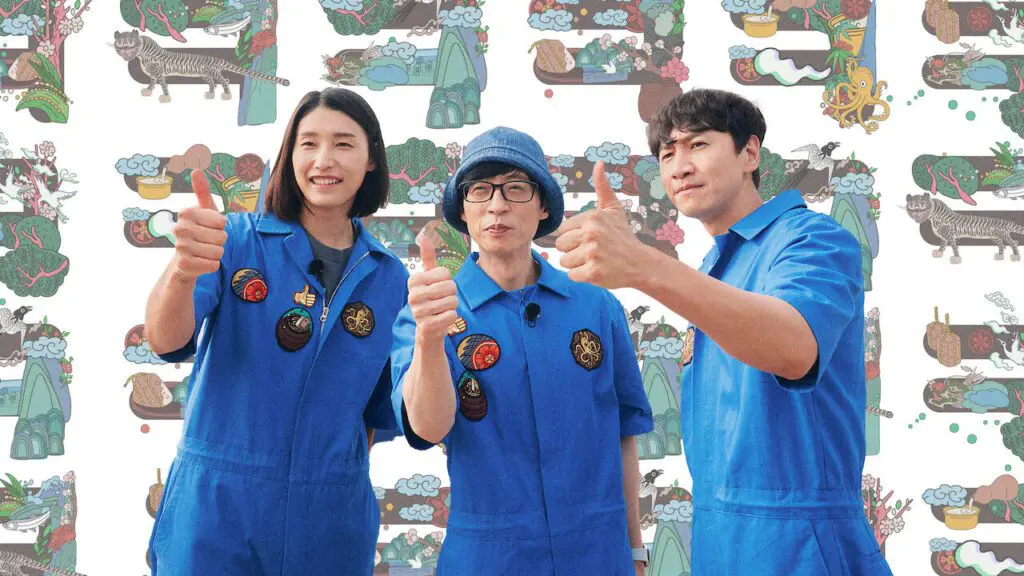
The hosts are entertainers Yu Jae-seok, Lee Kwang-soo, and volleyball legend Kim Yeon-koung, all of whom compete to become the number one apprentices of various masters in traditional Korean labor, from making traditional roof tiles to catching squid and anchovies.
Korea No. 1 is obviously powered by the dynamic of the central trio, but the subjects are especially interesting, not just for those totally ignorant of Korean culture but even for Koreans themselves. There’s something charming and homely about the kind of practices being explored here; it’s such a far cry from the usual, deeply facile and cynical form of reality television we’re used to in the West.
There’s perhaps an argument to be made about pacing. The show has eight episodes, each running around 45 minutes, which, for this kind of thing, is kind of a heavy watch. The episodes are individually broken up in a smart way, and they’re packed with varied and high-quality content, but any concept stretched this long is bound to run the risk of feeling repetitive after a while.
Still, the positives far outweigh the negatives here, and as far as reality TV goes, this is about as good as it gets, certainly if you value your sanity. Perhaps more so than anything else, though, it’s great to see Netflix using its global reach to push this kind of content.