Summary
The ending of The Abandons highlights a lot of what’s wrong with contemporary TV, with Episode 7 providing almost no closure or payoff in the cynical hope of securing a renewal.
In many ways, The Abandons represents a lot of contemporary TV’s worst impulses, and this is more true of its ending than anything else. Or should I say non-ending? As is basically customary with high-profile Netflix originals, Episode 7, “This Was Meant to Be My Peace”, confuses “leaving things open for a sequel” with “leaving things completely unresolved”, refusing to tie up any major plot points or provide anything resembling closure.
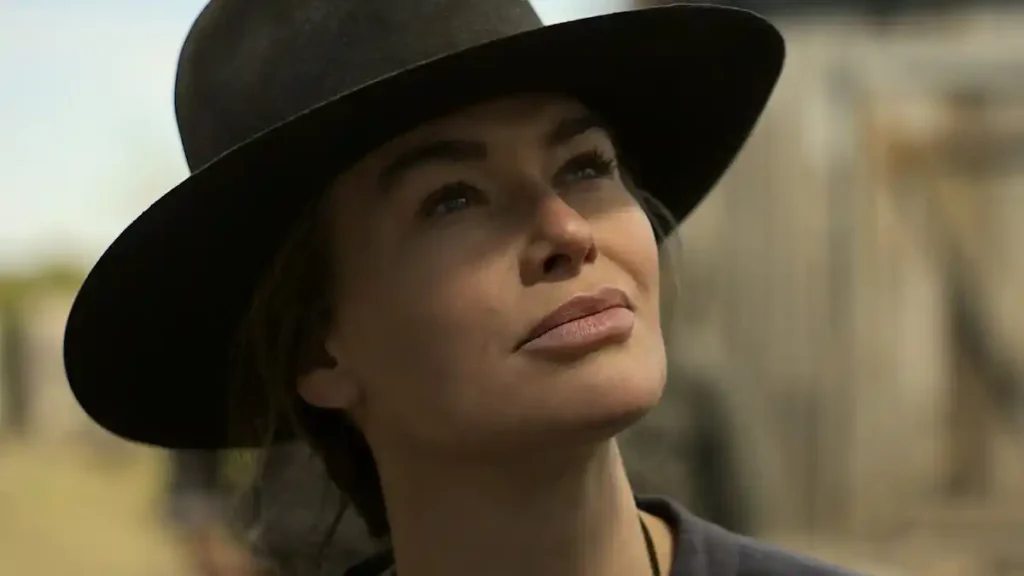
The fate of Angel’s Ridge, a booming frontier town in what was then the Washington Territory, is left ambiguous. The internal politics of Jasper Hollow, the silver-rich commune on the town’s edge, remain murky. Which of the warring matriarchs at the show’s core – cattle rancher Fiona Nolan and ruthless mining magnate Constance Van Ness – comes out on top is also unknown. After a climactic scuffle in a raging inferno, only one of them seems to make it out, though we don’t know who.
But does anyone care? That’s none of my business, and not the function of this article, which will instead explore how we got here, narratively and thematically, as within that inferno are not just two women, but their competing ideologies and notions of family. Although I’d argue that there isn’t really much ambiguity in this regard…
The Abandons Is Confused
There is supposed to be a complex moral tapestry underpinning the events of Season 1. We’re supposed to see Fiona and Constance as two sides of the same coin; we’re supposed to believe they want the same things, and just have different means of achieving them. But it never really comes across like that.
Both Fiona’s and Constance’s arcs are self-destructive. In the case of the latter, she alienates her own children, pushes things too far for her allies, has her plans exposed, and her estate is burned down. In the case of the former, she has committed and covered up multiple murders, lied about the same (and other things), and ultimately committed the gravest sin of putting her own decisions ahead of those of her found family, the titular Abandons.
But there’s never any ambiguity about who’s right and who’s wrong in the broad strokes. Constance is consistently awful and unfeeling, and the only justifiable reason for her actions is desperation that the mining proceeds are running dry and there’s a Vanderbilt breathing down her neck. It’s all self-serving, where Fiona consistently acts out of instinct to protect her children and avoid being turfed out of land that she shouldn’t be being forced out of in the first place. It’s very obvious who the aggressor is.
Fiona Is Right – But Not in the Way You Think
Like most Westerns, The Abandons is about a land dispute. Constance wants access to the silver under Jasper Hollow and believes she has the right to force the Abandons and their neighbours out in order to get it. This is the simple, unambiguous conflict. But there’s also a deeper conflict reflected in the two matriarchs stemming from one of the inciting events of the season, when Willem Van Ness forced himself on Dahlia, and Fiona killed him for it.
Constance’s position on all this is that her grief over Willem’s death is more genuine and deeply felt since the bond between biological children and adoptive ones isn’t the same, which is patently untrue. This idea of “authenticity” colours Constance’s view of family, and justifies all of her actions against the family units that she essentially perceives to be “fake”.
This is a big part of the reason why Fiona is immediately positioned as the “hero” despite all the morally dubious things she does. Her position is just significantly more realistic and tenable than the absurd elitist argument that Constance is trying to make. There’s an argument that Constance’s view would have been the socially accepted one at the time, which is fair enough, but it’s never really presented that way – Constance evidently believes it on a core level.
Romance Is Dead
A version of this conflict plays out between Elias and Trisha. These two nursed a Romeo & Juliet-style romance all throughout Season 1 of The Abandons, but what ultimately puts the kibosh on their love is Trisha’s discovery that Elias was complicit in Willem’s murder and its subsequent cover-up.
While it’s understandable why Trisha would be annoyed about this, she’s coming at it from a position of moral righteousness that doesn’t ring true, especially since she has been the most openly critical of her mother’s actions and viewpoints all throughout. But what she’s really expressing is an outgrowth of Constance’s view of family. She believes that the fact Willem was her brother essentially outweighs Elias’s argument that he was a violent rapist monster.
I was fully on Elias’s side when he said that, while he loves Trisha earnestly, he’d do everything he did again if need be.
Who Survived the Fire?
The big talking point coming out of the ending of The Abandons is who walks out of Constance’s burning house – Constance herself, or Fiona? This question is deliberately and frustratingly unanswered by the finale, which just depicts a single figure emerging from the flames as the house collapses around them.
Ordinarily, it’d be worth speculating on such a thing – weighing up who was winning the fight inside, for instance – but I don’t think there’s much point here, since my sneaking suspicion is that even the showrunners don’t know. It’s a cynical trick. Depending on how well the show does, a decision can be made down the line that determines who walked out alive. Although I suspect both characters survived somehow, and this is just a fake-out.
Based on the season overall, that sounds just about right.