
Summary
The Night Manager is still a cut above most spy shows in Season 2, but something does seem to have been lost during its decade off the air.
There is no more damning indictment of the state of contemporary media than The Night Manager being back on our screens a decade after contentedly riding off into the sunset after only a single season. Remember when shows did that? It’s a rarity these days. There’s too much money involved, too much cynicism at play, and the general sentiment that justifies Season 2 – and, worse, an already-in-production Season 3 – of this show is that people can’t possibly be compelled to watch anything new when there’s a redone version of something they enjoyed years ago to be sold back to them.
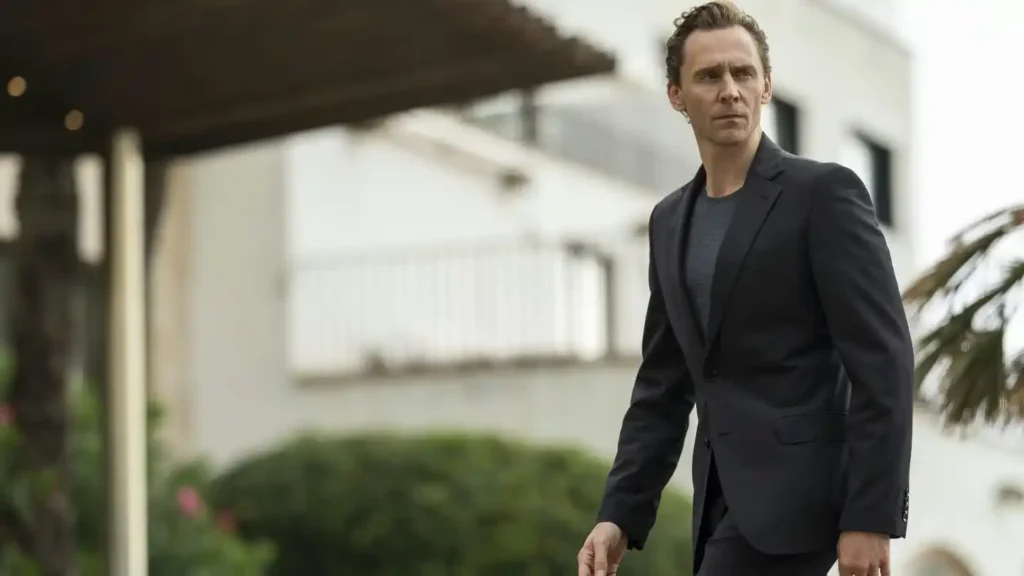
All of this implies that the second season of The Night Manager is some sort of heinous travesty, which is very much not the case. It’s a really rather good spy series with very handsome production, a great leading performance from Tom Hiddleston, and a ton of things to enjoy. It just can’t reach the rarefied air of its predecessor since it exists in a climate that makes it impossible. Some of that feeling of pointlessness, and perhaps more damagingly of imitation, can’t help but creep in.
This plot wasn’t written by John le Carré, for instance. Apparently, the author had once thrown around a few ideas for a sequel, but none of them were used here. The premise instead takes its cues from elsewhere, notably Apple TV+’s Slow Horses, seasons of which you’ll note are based on existing novels by a still-living author, so you can sort of see the problem. Hiddleston reprises his role, obviously, and Olivia Colman reprises hers, or at least she does for a couple of minutes in the first episode, but things have otherwise moved on.
These days, ex-soldier turned hotel night manager turned reluctant spy Jonathan Pine (Hiddleston) is leading a wacky, unglamorous group of MI6 agents dubbed the “Night Owls” who monitor London’s swankiest hotels for signs of dodgy types carrying out illicit activities in the presumed safety of their luxury penthouse suites. These guys operate in a ramshackle brutalist building down the road from River House, the service’s main HQ. If that doesn’t sound like Slough House’s relationship with “The Park” then I’m sorry, since I clearly can’t help you.
But the curious thing about The Night Manager Season 2 is that it kind of reinvents itself in the image of another beloved show, but then doesn’t even stick with the idea beyond the premiere. Once Pine unearths a connection to first season baddie, Richard Roper, he’s forced to go back undercover, this time in Colombia, where he has to cosplay as a smug English banker who claims to have defrauded a Swiss firm during a sojourn in Hong Kong and needs to launder the ill-gotten gains through the gun-running operations of this season’s Big Bad, Teddy Dos Santos (Diego Calva; Bird Box Barcelona, Narcos: Mexico).
Teddy is connected to Roper in ways that feel especially contrived, but he’s a very different character from the man himself, instead evoking Javier Bardem’s Skyfall villain Silva and forming one third of a quite compelling love triangle with Pine and the season’s femme fatale, Roxana (Camila Morrone, Al Pacino’s step-daughter and seen in Daisy Jones and The Six). A lot of this stuff works well enough, but feels a bit more Bond-esque than fans of the first season might expect or care for.
Back in Blighty, Paul Chahidi and Indira Varma play compelling MI6 higher-ups, and Hayley Squires is fun as Pine’s sidekick, Sally, a working-class, regionally-accented member of his Night Owls team who is mostly on-hand to remind Pine not to get so posh that he forgets the rich guys are supposed to be the villains in this. It’s all fine, serviceable stuff, but you can tell it’s much less the point than Pine sunning it up in Colombia and trying to maintain his cover under pressure. Some of the show’s essential identity does feel oddly missing, replaced with a cover-band take on broadly the same material.
The upside is that this is still better than most of the spy shows we’ve had since The Night Manager debuted, with only The Agency standing out as a recent example of how to do the genre properly. Season 2 is a bit reminiscent of that show, with early feints in the direction of Pine undergoing therapy – Kirby Howell-Baptiste (Splinter Cell: Deathwatch, Dead Boy Detectives, Culprits) plays his psychological sparring partner – to cope with the events of the first season. But this, too, is promptly abandoned so he can go off on a new adventure. With another already planned, you have to imagine they’re going to start wearing out their welcome.