Summary
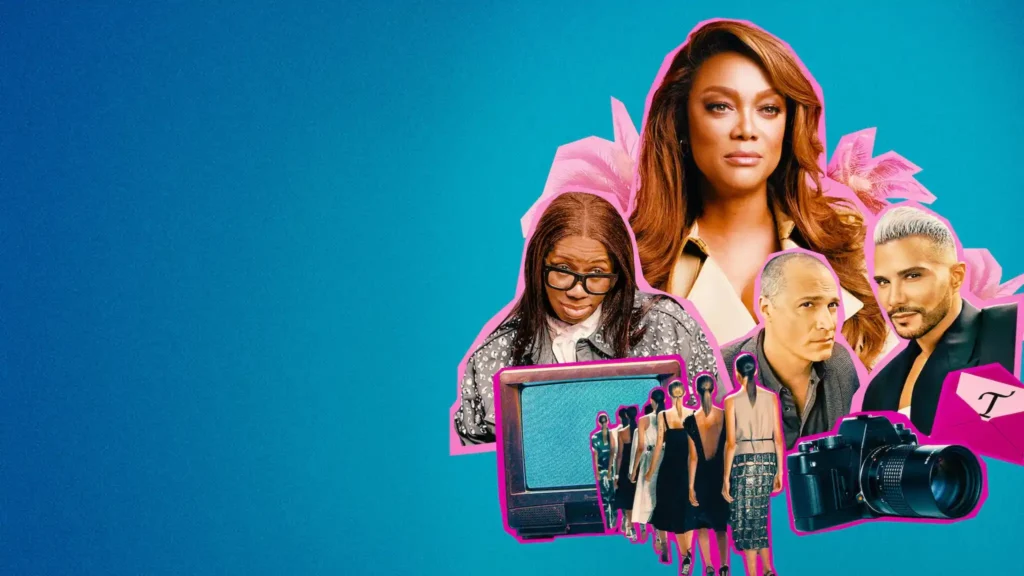
Reality Check: Inside America’s Next Top Model is a scathing indictment of Tyra Banks and the 2000s reality TV phenomenon, though an overlong runtime and frenetic editing prevent it from making more coherent, forceful points.
At what point is a show considered an overwhelming success? Is it ratings? Is it watercooler moments? Is it somehow managing to get silly portmanteaus in the Collins dictionary? By whatever metric you might want to use, America’s Next Top Model was a phenomenon. But it was also a product of its time, a perpetuation of invasive, nascent reality TV and beauty standards that have since – rightly – fallen out of favour. In Reality Check: Inside America’s Next Top Model, nobody is “smizing”. The three-part Netflix docuseries is a pandemic binge given some semblance of authenticity. It depicts Tyra Banks as a monster, and the culture that allowed the show to flourish as deeply problematic.
It only takes a single glance at me to realise that I probably didn’t tune into America’s Next Top Model in the decade it aired from 2003, so I am, for once, approaching this project with the same wide-eyed Gen Z incredulity that has defined the retroactive sentiment that now swirls around it. But I was genuinely shocked all the same. It almost beggars belief that, not so long ago, any of this was deemed to be okay. But its deep-rooted sense of judgment and cruelty is overwhelming. It’s the kind of thing that makes you realise how necessary it was – and remains – to challenge trenchant cultural ideas about how thin people should be, how their teeth and skin should look, and how they should stand, walk, and dress in order to be considered “beautiful”.
The obviousness with which this is true makes Banks herself, who features extensively alongside catwalk coach J Alexander, creative director Jay Manuel, photographer Nigel Barke,r and executive producer Ken Mok, seem like a lunatic. She continuously makes grandiose claims about how her fighting to get the show commissioned, and to get various atypical models cast, was some kind of trailblazing effort to diversify a stiflingly restrictive industry, but then everyone who was on the show was treated like garbage in the usual ways anyway.
Given the underlying TikTok-y vibe of this whole enterprise, it’s edited like a three-hour reel, ping-ponging between different talking heads, archival clips from the show, and aggrieved influencer mosaics. This frenetic feeling can be wearisome and is clearly intended to pad out a runtime, but occasionally things settle and focus more coherently on specific mini-arcs of more overt controversy, some of which are alarming. Contestants were weighed on the show and told they looked chubby even on the brink of death, despite many having eating disorders that were widely known about. A contestant was unmistakably pressured into having dental surgery to close a gap in her teeth; in a later season, another contestant was advised to have her gap widened. A woman whose mother had been shot and paralysed by an ex-boyfriend was made to pose in a photo shoot celebrating gun violence.
A race-swap gimmick featured in one episode; in another, one of the models cheated on her long-time boyfriend, was filmed doing so, and then had to call him to confess, which was also filmed. It occurred to me that her prostrate, sobbing on the floor doesn’t really have anything to do with modelling, top or otherwise. Reality Check continually draws parallels between how the models were treated during their time on the show and how that treatment still affects them today, in how they view themselves or their relationships or careers, and then has Banks turn up to hand-wave away in complicity in their torment by claiming that the finer points of production and storytelling weren’t really her territory.
It’s easy to write off America’s Next Top Model as a product of its time, and similarly tempting to dismiss any contemporary criticism of it as attempts at whiny book-burning revisionism. But a recurring thread in Reality Check is that even at the time, several contestants and members of production knew what was happening was wrong, and went along with it anyway, usually out of fear. That’s a very different proposition from a show just being out of touch. The deliberate way in which these women were tormented and exploited in the name of entertainment was macabre even at the time, and it’s somehow less defensible knowing that it wasn’t ignorance that kept everyone going, but garden-variety greed. “For good or bad,” Mok says at one point about the brutal cheating incident, “that was one of the most memorable moments in Top Model.” And that’s all that ever mattered.