Summary
While navigating the predictable Netflix rom-com formula, Voicemails for Isabelle succeeds as a surprisingly clever and emotionally resonant look at grief, completely elevated by a stellar performance from Zoey Deutch.
When I saw the title Voicemails for Isabelle, I really thought we were going to get a standard Hallmark movie formula. But the best thing about my work as a critic is that I am often surprised by a film. This Netflix rom-com is one of them, and honestly, I shouldn’t have been surprised because it stars Zoey Deutch (Something from Tiffany’s, Not Okay, The Outfit).
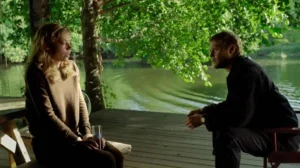
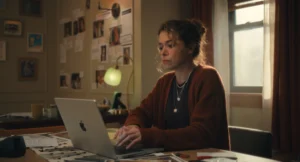
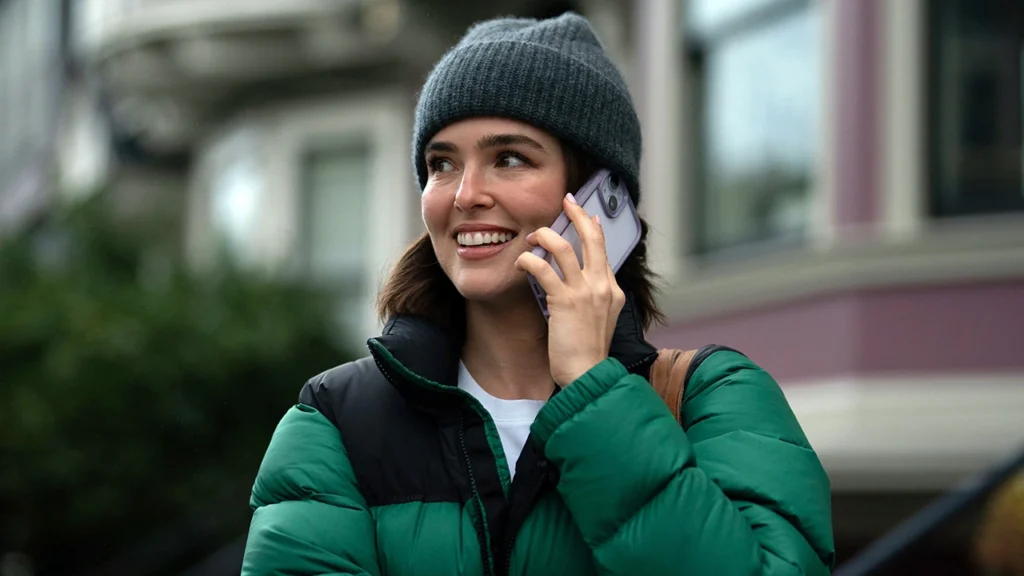
The film follows Jill (Deutch), an up-and-coming, aspiring chef/baker working for a “famous chef” in San Francisco. At the start of the first act, the film pulls at the heartstrings by showcasing Jill’s upbringing with her sister, Isabelle (Ciara Bravo, Cherry), who has been battling cancer from a young age. Regardless of their circumstances, their bond is inseparable, and Isabelle lives her life vicariously through her sister. The film hits those emotional beats early: in adulthood, Jill gets that fatal phone call – her sister has died. While grieving, Jill learns that leaving voicemails for Isabelle on her old phone is a good way to stay connected to her. What she doesn’t know, however, is that her sister’s old number has been reassigned to a work phone belonging to Wes (played with charm by Nick Robinson; Shadow in the Cloud, Love, Simon). He listens to her voicemails and falls in love with her before they even meet.
You know where this premise is going – we’ve all seen it before in different styles and iterations. Yes, it’s that kind of film; the kind of script where you painfully hope the two leads end up together.
But regardless, the standard romantic comedy formula is for the regulars. Personally, I am not a rom-com fan, but I do love good performances. I have to say, Zoey Deutch knocks this Netflix package out of the park. Whether it’s her expressiveness or her willingness to fully commit to the script despite its simplicity, you can tell she loves her character. Zoey really sells the grief of the situation – you can feel it weigh heavily on Jill, highlighting the missing hole left by her sister.
I also appreciate good humor, and Voicemails for Isabelle is surprisingly clever for what it is. It features nice quips that land perfectly amid the cheesy and serious moments. Yes, some scenes are 100% on-the-nose (hello, Hallmark Channel), but the film makes up for it with moments that truly grab you.
For example, there’s a moment when Jill decides to make a specific meal for Wes as they begin to fall in love. She knows how important this meal is, as his late mother used to make it for him. She’s a talented chef, of course, but without an exact recipe from Wes, she has to recreate it on the spot. Both actors perform this moment beautifully: the sheer shock of someone receiving such a kindness, the realization from the other that they’ve done something so meaningful, and finally, both characters realizing they are falling in love.
It is quite clear that director and writer Leah McKendrick poured love into Voicemails for Isabelle. You can tell she was somewhat confined to the Netflix algorithmic formula for screenplays, but she makes it work. It’s not perfect, but it’s a bloody good rom-com, and one that further elevates Zoey Deutch’s filmography.
Of course, predictably, the film introduces a moment of third-act peril. It brings the exact type of audience anxiety you would expect, but it’s Jill’s connection with her deceased sister that makes the story work so magically. It’s almost as if the romance is secondary. And in some ways, it is. You could argue the film is equally a story about overcoming grief as it is about finding love.
The story isn’t lazy, either. Jill is experimental with her culinary craft because food was her central focus while growing up with her sister. Breakfast tacos become a core motif, and her drive to become a top baker in San Francisco feels like an important character trait rather than a throwaway plot point. Wes, on the other hand, is clearly less of a focus – a brooding man who is apparently incapable of love (according to his ex). But it’s clear the film wasn’t designed for him; he just needed to be charming. And charming he is.
Ultimately, this is Zoey Deutch’s film, and she knocks it out of the park. It’s not just “good,” or even “Netflix good” – it’s very good. It is well worth hitting play.
Read More: