Summary
Supernatural purists will likely find True Haunting a bit lacking in authenticity, but James Wan’s stylish, cinematic approach makes it more palatable for sceptics.
Typically, the worst thing about any documentary is the supposedly dramatic re-enactments. Famously terrible, the lot of them. The concise elevator pitch of Netflix’s True Haunting seems to have been, simply, another in a long list of enduringly popular but typically terrible “true stories” about real-life hauntings, but with a glossy, cinematic sheen over those re-enactments. Enter James Wan, of The Conjuring and Insidious fame. Everything else might be largely familiar, but you’ve rarely seen a docuseries about hauntings look quite this slick.
And Netflix is no stranger to documentaries about hauntings, let me tell you. The impressively terrible Haunted, which is perhaps the closest comparison, spawned three seasons and a regional spin-off. 28 Days Haunted was a mega-hit. People like this kind of thing, and if you criticise it, which I, as a staunch non-believer in mumbo-jumbo, am inclined to do, those people get very upset. Some of the funniest hate comments I’ve ever received have stemmed from making fun of ghosts.
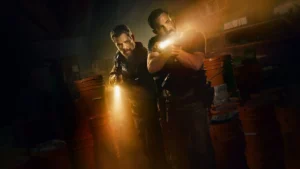
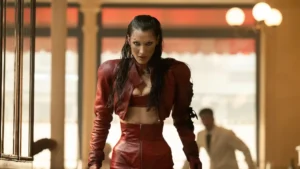
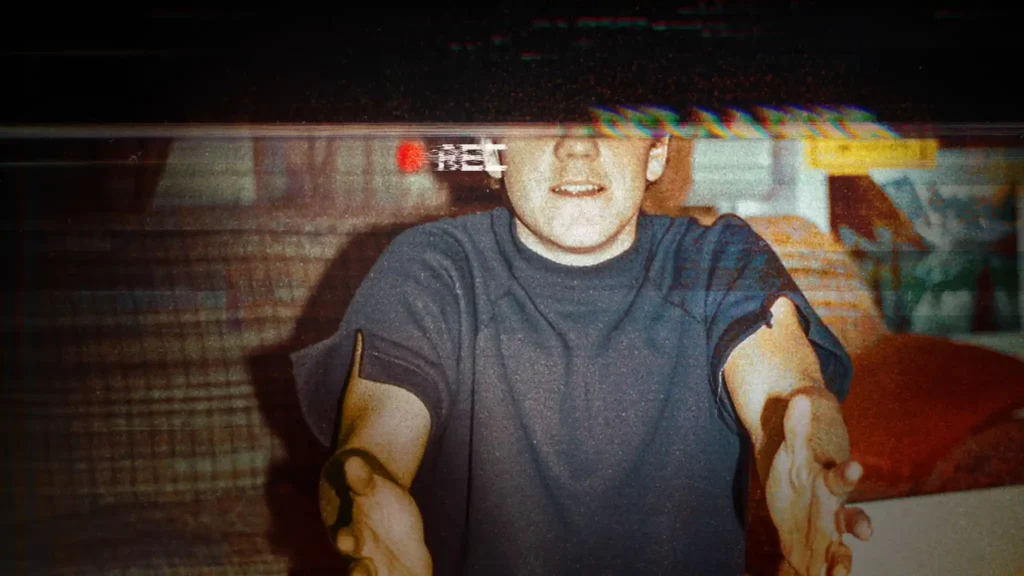
True Haunting, in the manner of all these shows, presents itself as very real, but in this specific case, the authenticity of the claims doesn’t have a great deal of relevance. The selling point isn’t the documentary-style storytelling, with all the requisite talking heads very morosely recounting their personal experiences straight to camera, but the part of these shows that is usually the most skippable – the dramatic re-enactments, here gussied up to resemble something like a feature-film in their staging, coaxing of dread, and sometimes skilful deployment of genre staples.
Wan was a good choice for this kind of thing, even though the first three episodes, a collection titled “Eerie Hall”, were directed by Neil Rawles, and the final two, “This House Murdered Me”, by Luke Watson. Wan’s fingerprints are everywhere, all the same, lending the production a baseline level of cinematic quality that lifts it above the usual TV haunting fare. The nippy episodes – each runs for thirty-ish minutes – also allow for the structure and pacing to resemble the rhythms of a feature quite closely, even if the difference between three episodes, as in the first story, and two, as in the second, creates quite a significant shift in feel.
The question of whether True Haunting is scary is another matter. It isn’t, either in its feints towards reality or the construction of its actual spooky sequences, but it doesn’t feel like it’s trying especially hard to frighten an audience either. There’s a cosy campfire quality to a lot of it that works quite well, and the temptation of stuffing jump-scares everywhere – there are a couple, but not enough to feel overwhelming – is blessedly ignored. Instead, the cinematic competency is put to work telling a more coherent and character-driven story, something for the audience to buy into more willingly without terrible acting and distractingly cheap-looking horrors constantly breaking their immersion.
This having been said, anyone who really and truly buys into the real-life testimony might feel slightly dismayed by how made-for-TV the re-enactments feel. That glossy and well-heeled approach to horror is also the domain of fiction, and the re-enactments are so obviously the focus that you can sometimes forget this is all supposed to be based on real accounts. The talking heads and other archival material are sometimes deployed to intriguing effect in conjunction with the staged drama, but it’s obvious which one is the selling point of the series overall.
Mileage, as ever, may vary. As someone who doesn’t believe any of this stuff, I enjoyed the stylish approach to making it watchable instead of trying to be “believable”. But anyone who’s dead into the supernatural and relishes an evidence-based documentary that they think might inure their viewpoint against scrutiny will feel short-changed here. It is what it is, but if nothing else, a bit like Nightmares of Nature, it’s a fresh-feeling way of presenting familiar material with a seasonal twist.